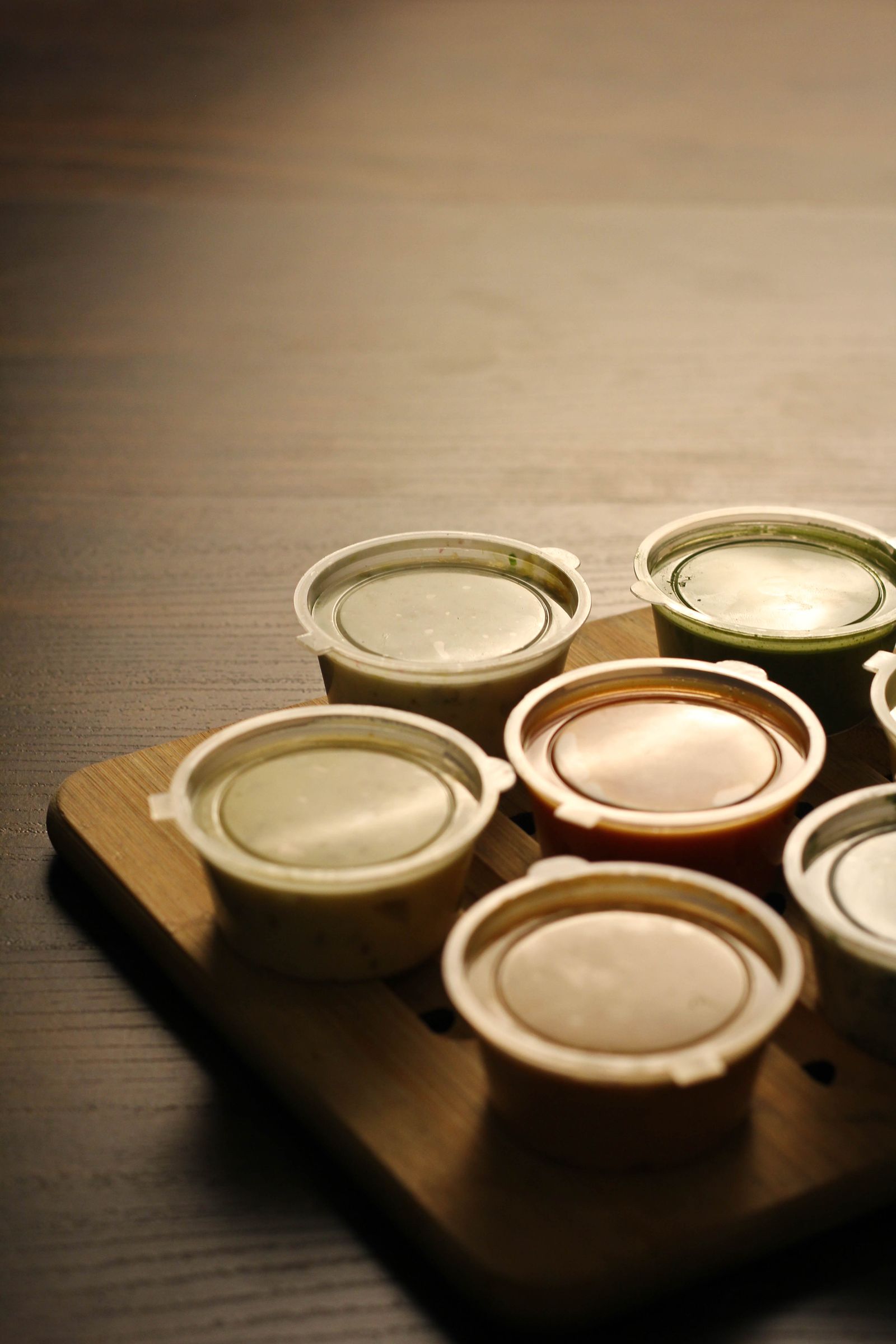
The same carrots or cabbage can taste quite different with a bright citrus dressing, a creamy dip, or a warm garlic sauce. Make one small batch while the vegetables cook, then taste the two together before adding more seasoning.
Each mixture below is enough for roughly two side portions, depending on how generously you spoon it on. Use a tablespoon measuring spoon for the larger quantities and a teaspoon for the smaller ones.
Calamansi and soy dressing for crisp vegetables
Mix 1 tablespoon calamansi juice, 1 tablespoon soy sauce, 1 tablespoon water, and 1 teaspoon sugar until the sugar dissolves. Stir in 1 teaspoon neutral oil. Taste a little on a piece of vegetable before deciding whether to add another splash of water.
Try it with steamed green beans, lightly cooked cabbage, or cucumber. Drain cooked vegetables well so their water does not dilute the dressing. Spoon on half the mixture first, toss, and add more as needed.
Calamansi varies in sharpness, and soy sauces differ in saltiness. If the dressing is too sharp, add a little more water or a small pinch of sugar. Lemon juice can stand in for calamansi, with the same taste-and-adjust approach.
Peanut sauce for carrots and broccoli
Stir together 2 tablespoons smooth peanut butter, 1 teaspoon soy sauce, 2 teaspoons lime or calamansi juice, and 1 teaspoon sugar. Add warm water a teaspoon at a time, whisking until the sauce falls easily from the spoon. Start with about 1 tablespoon water and adjust for your peanut butter.
Serve it with roasted carrots, steamed broccoli, or a mixed vegetable bowl. Sweetened peanut butter may need less sugar, so taste before adding the full amount. A pinch of chili flakes is optional.
This sauce contains peanuts, and soy sauce may contain wheat. Check ingredient labels and the needs of anyone eating the meal. If peanuts are unsuitable, choose one of the other sauces using ingredients that work for your household.
Yogurt and garlic sauce for roasted vegetables
Combine 4 tablespoons plain, unsweetened yogurt, 1 teaspoon lemon juice, 1 teaspoon olive oil, a small pinch of salt, and half a small garlic clove, finely grated. Stir well. Add 1 teaspoon water if you want a thinner drizzle.
Spoon it over roasted squash or eggplant after cooking, or serve it beside vegetable sticks. Let the hot vegetables settle briefly before adding the yogurt. Keep the sauce off direct heat to preserve its creamy texture.
Taste the garlic before adding more. Raw garlic becomes noticeable quickly in a small bowl. Chopped parsley or spring onion can add freshness if you already have some. Keep the mixture refrigerated until serving.
Warm garlic butter for green beans and sweetcorn
Melt 1 tablespoon butter in a small pan over low heat. Add one small minced garlic clove and stir just until fragrant, about 30 to 60 seconds. Keep the heat gentle so the garlic does not darken. Remove from the heat and stir in 1 teaspoon lemon juice.
Toss with hot, drained green beans or sweetcorn. Taste before adding salt, especially when using salted butter. If the butter pools in the serving bowl, use less on the next batch rather than adding more vegetables just to absorb it.
Adjust the sauce on the food
A sauce can taste strong by itself and balanced on a plain vegetable. Keep a small piece beside your mixing bowl and use it for each taste test. Add citrus for brightness, water to loosen a thick mixture, or a little sweetness to soften sharpness.
Make only what you expect to serve. Use clean utensils, keep perishable mixtures chilled until needed, and refrigerate leftovers promptly. Save a note of the version you liked so your next batch starts with the proportions that suit your ingredients.