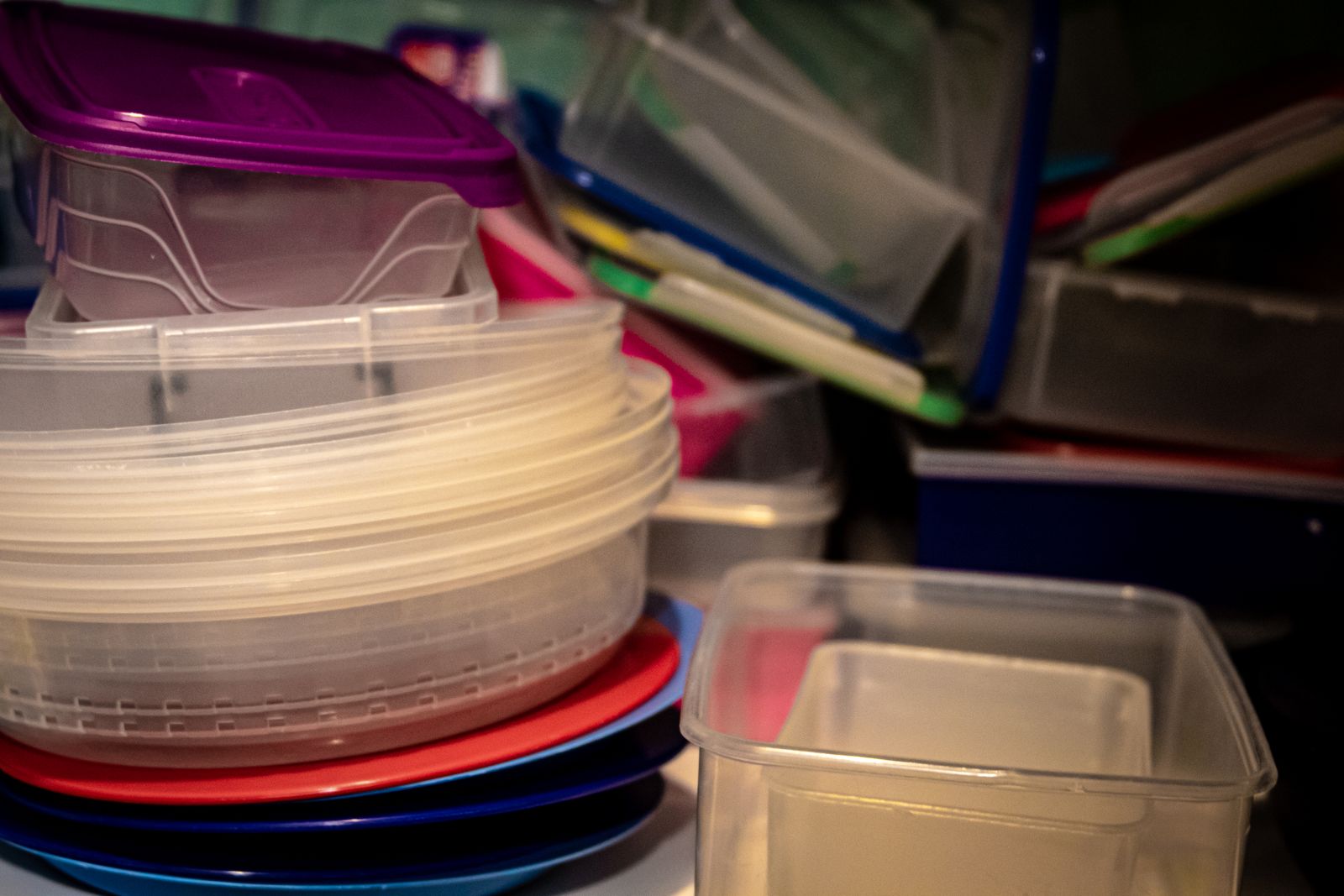
A lunch container can look empty while sauce remains beneath its lid seal. A lunch bag may feel dry outside but still hold moisture in a folded corner. Giving each part a little attention after use makes the next morning’s packing easier.
Start with the care instructions for the bag and containers. Insulated linings, removable seals, plastic lids, and fabric shells can need different washing methods, even when they travel together every day.
Empty everything when you get home
Take out containers, utensils, wrappers, and ice packs before putting the bag away. Open small pockets and shake out loose crumbs over the bin. Check the bottom for spills that may have spread beneath a container.
Assess leftovers according to how they were stored, including whether perishables stayed adequately chilled. Do not use smell alone to judge safety. Discard food with an uncertain temperature history rather than returning it to the fridge for another lunch.
Keep dirty lunch equipment off the clean food-preparation area. Set it beside the washing-up space so it can be dealt with before fresh ingredients and clean containers come out.
Separate lids and removable parts
Scrape food remains from containers and remove seals or valves only when the manufacturer says they are designed to come out. Note their position before removal so you can put them back correctly. Avoid forcing a fixed gasket from its groove.
Wash food containers and their washable parts with dishwashing liquid and water, paying attention to corners, lid channels, and clips. Use a suitable soft brush for narrow areas. Rinse away detergent and loosened debris.
For dishwasher-safe items, follow the maker’s rack and temperature guidance. Check lids separately because their instructions may differ from the container base. A microwave-safe marking does not by itself confirm that an item can go in the dishwasher.
Clean the lunch bag according to its label
For a wipe-clean lining, use the cleaning method specified by the maker and reach into seams and folded corners. Remove detergent residue as directed. If the bag is washable, follow the stated hand-wash or machine-wash instructions.
Avoid soaking an insulated bag unless its instructions allow it. Water can enter layers that are difficult to dry. Clean handles, zips, and the outside when needed, especially after the bag has been placed on floors or shared surfaces.
Clean reusable ice packs according to their instructions before returning them to the freezer. Check for damaged seams or leaks. Set aside damaged packs for replacement instead of packing them beside the next meal.
Let every part dry fully
Place containers and lids separately on a clean drying rack. Position them so trapped water can drain from rims and grooves. Allow removable seals to dry before refitting them. Nesting wet containers or snapping lids shut can trap moisture.
Leave the lunch bag open in a ventilated place until the lining and corners are dry. Follow any restrictions on direct heat or tumble drying. A second clean bag can be useful when your usual one needs longer to dry.
Check for cracks, peeling linings, persistent residue, or damaged seals that prevent effective cleaning. Replace parts where supported by the maker, or retire equipment that can no longer be cleaned properly.
Make the next lunch easy to pack
Keep dry lids with their matching containers in a clean cupboard. Return utensils to their usual place and leave the open, dry bag ready for use. A short check after washing helps avoid discovering a missing seal in the morning.
Before packing, wash your hands and use a clean work surface. Pack food in clean containers and use appropriate cold storage for perishables. Keeping the equipment clean and maintaining food temperatures are both parts of the routine.