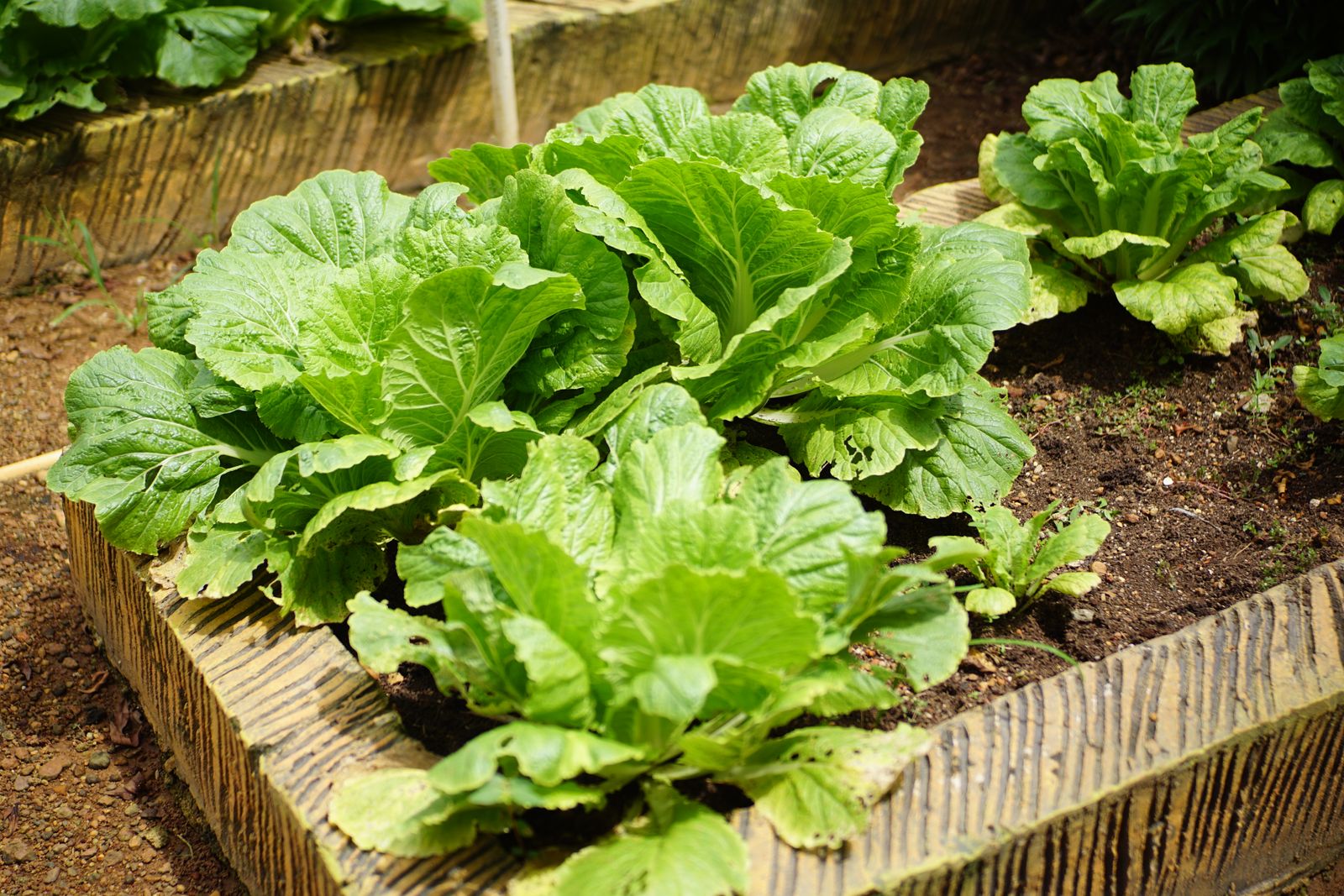
Start with a packet labeled pechay or bok choy. Baby varieties and full-size heads need different amounts of space. Keep the packet handy for its spacing and harvest guidance, and write the sowing date on a plant label.
Set up the pot before sowing
Choose a container with drainage holes and enough width for the packet’s mature spacing. If a round pot only fits one mature plant, sow one group of seeds in the middle. Fill with potting mix suitable for vegetables, leaving a little room at the rim for watering.
Water the mix and let excess water drain before sowing. Set the container in a bright position with morning sun. On a balcony that gets very hot, choose a spot where you can shelter young plants from intense afternoon heat and driving rain.
Sow shallowly and thin with scissors
Sow two or three seeds at each planting spot and cover lightly, about 6 mm deep unless your packet directs otherwise. Water gently so the seeds stay in place. Keep the surface evenly moist as they germinate.
Once seedlings have leaves beyond their first seed leaves, choose one sturdy seedling at each spot. Snip its neighbors at soil level. Pulling them out can lift the roots of the plant you intend to keep.
Check the leaves when you water
Touch the mix just below the surface each morning. When it begins to dry, water thoroughly and let the pot drain. Empty any saucer that collects water. After heavy rain, check the mix before adding more.
Look under leaves for caterpillars if fresh holes appear. Remove any you find by hand. Fine insect mesh over a small frame can protect tender growth. Leave space between the mesh and the leaves, and check underneath after covering.
Pick for the dish you have in mind
For a bowl of soup, cut a few large outside leaves once the plant is well established. Leave the center intact to keep growing. For a whole head, cut across the base while the stalks are still tender. If a flower stalk starts rising from the center, harvest promptly.
Rinse the leaves, opening the bases where grit collects. Note how many plants supplied your meal. That tells you more about how many pots to sow next time than the number of seeds left in the packet.