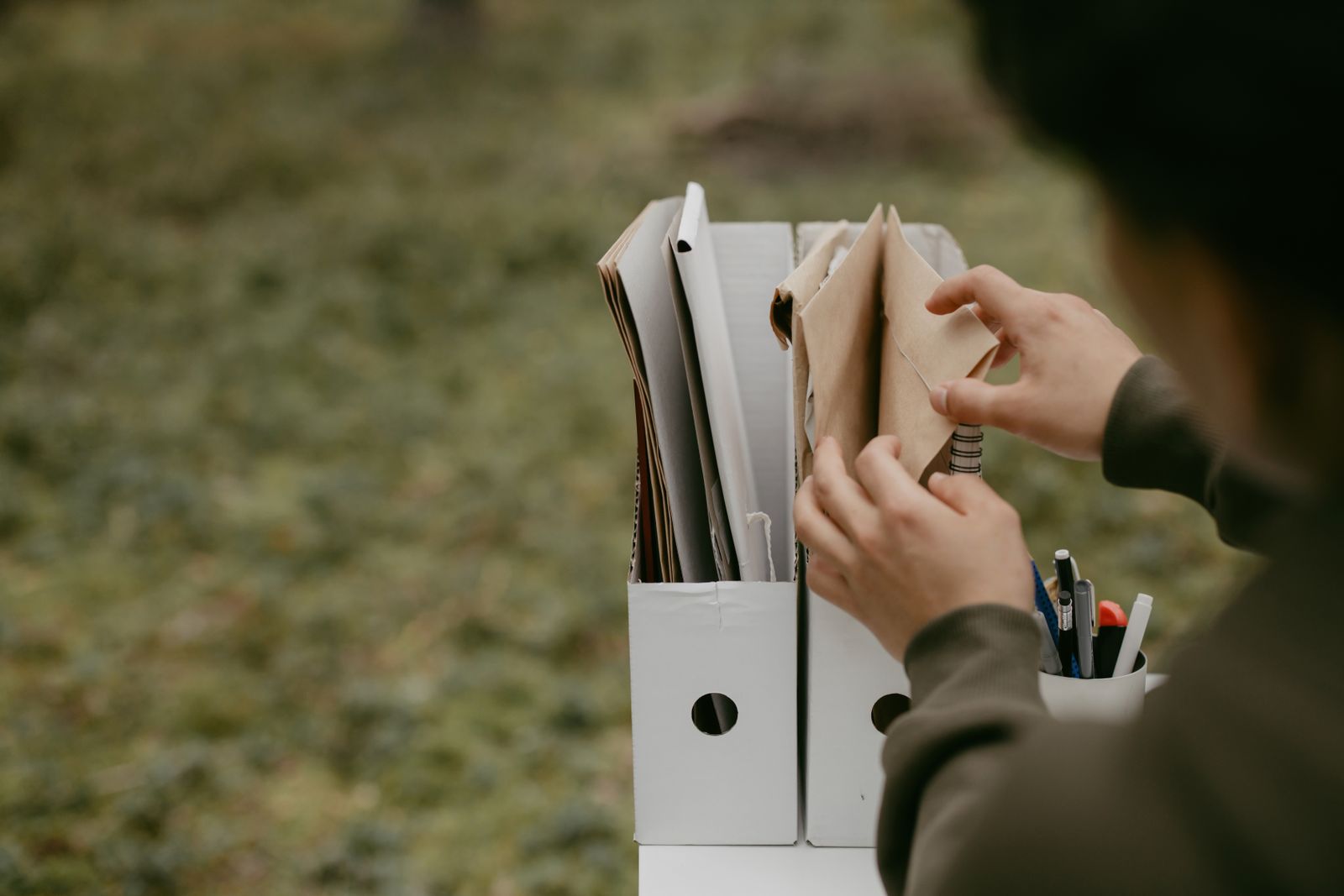
A document usually feels easy to find until someone asks for it while you are leaving home. You remember seeing the receipt, certificate, or renewal letter, but several drawers could contain it.
Start with the papers your household actually uses. A small set of labeled folders and one place for incoming documents can make finding things much easier without creating a complicated filing routine.
Gather papers in manageable batches
Choose a clear table and collect papers from one drawer, bag, or shelf. Keep the batch small enough to finish sorting in one sitting. Leave delicate originals in their existing protective sleeves while you identify them.
Make separate piles for documents that need action, records to file, and papers to review before disposal. Put unfamiliar documents in the review pile instead of making a rushed decision. An old-looking letter may still relate to an unresolved account or application.
Keep any deadline visible. Write a reminder in your calendar and place the paper in the action folder before continuing. Filing a bill neatly will not help if you forget that it still needs attention.
Choose folder names you would naturally search for
Begin with broad labels such as Identity, Home, Utilities, Education, Insurance, and Purchases. Use the words your household recognizes. A rental agreement belongs in Home if that is where everyone would expect to look for it.
Add individual names inside categories when several people have similar records. Education might have a divider for each child. Keep the number of categories small at first, then split a folder only when finding a document inside it becomes difficult.
Avoid a permanent miscellaneous folder. When an item has no obvious home, ask what situation would make you need it. A washing-machine repair receipt can live with the appliance purchase records because you would probably need both during another repair.
Separate work in progress from stored records
Keep one action folder near the place where you handle household paperwork. Use it for forms to complete, correspondence awaiting a reply, and documents that need checking. Put a brief note on each item explaining the next step.
Choose a regular moment to review that folder. During the review, finish a small task, schedule a larger one, or move completed paperwork to its long-term folder. If another person is handling something, write their name and the agreed next step.
For example, a school form can stay in action until it is signed and returned. Any confirmation you need to retain then moves into Education. The folder should tell you what remains open rather than becoming a second archive.
Make the contents easy to scan
Place related records together and use a consistent order, such as newest first for recurring statements. Keep supporting pages with the main document so you do not have to reconstruct a set later. Label sleeves or dividers instead of writing on important originals.
Create a short index listing each folder and a few examples of its contents. If an original is stored separately, record its location in the index. A note such as Home folder, appliance section is more useful than a detailed inventory you never update.
Try retrieving three different papers after filing. If you hesitate over where to look, rename the folder or add a divider now. Ask another household member who needs access to try the same exercise.
Use clear names for digital copies
When you make a scan, check that every page is included, readable, and facing the right way. Use a name that identifies the document without opening it. A pattern such as 2026-11-11_Washing-Machine_Receipt makes dates and subjects easy to scan.
Mirror the useful paper categories in your digital folders. Keep a designated copy in the main folder so several files called final or latest do not compete. Check whether a scan is acceptable for the purpose before relying on it in place of an original.
Store sensitive files in an account or device with appropriate access protection and maintain a separate backup. Share only with the people who need access. A household index can point to a protected folder without listing document numbers or passwords.
Give originals a suitable home and keep the system current
Store important originals somewhere dry, secure, and accessible to the appropriate people. Consider protection from water and fire when choosing storage. Avoid placing the only set of essential papers on the floor beneath plumbing or in a damp cupboard.
Keep one incoming-paper tray and empty it regularly into action, filing, or review. Before disposing of records, check any applicable retention requirements or instructions from the issuing organization. Use secure disposal for papers containing sensitive details.
When a renewal or replacement arrives, update the relevant folder and remove confusing duplicates only after checking what should be retained. The system stays useful when the current document is clear and everyone who uses it knows where it belongs.