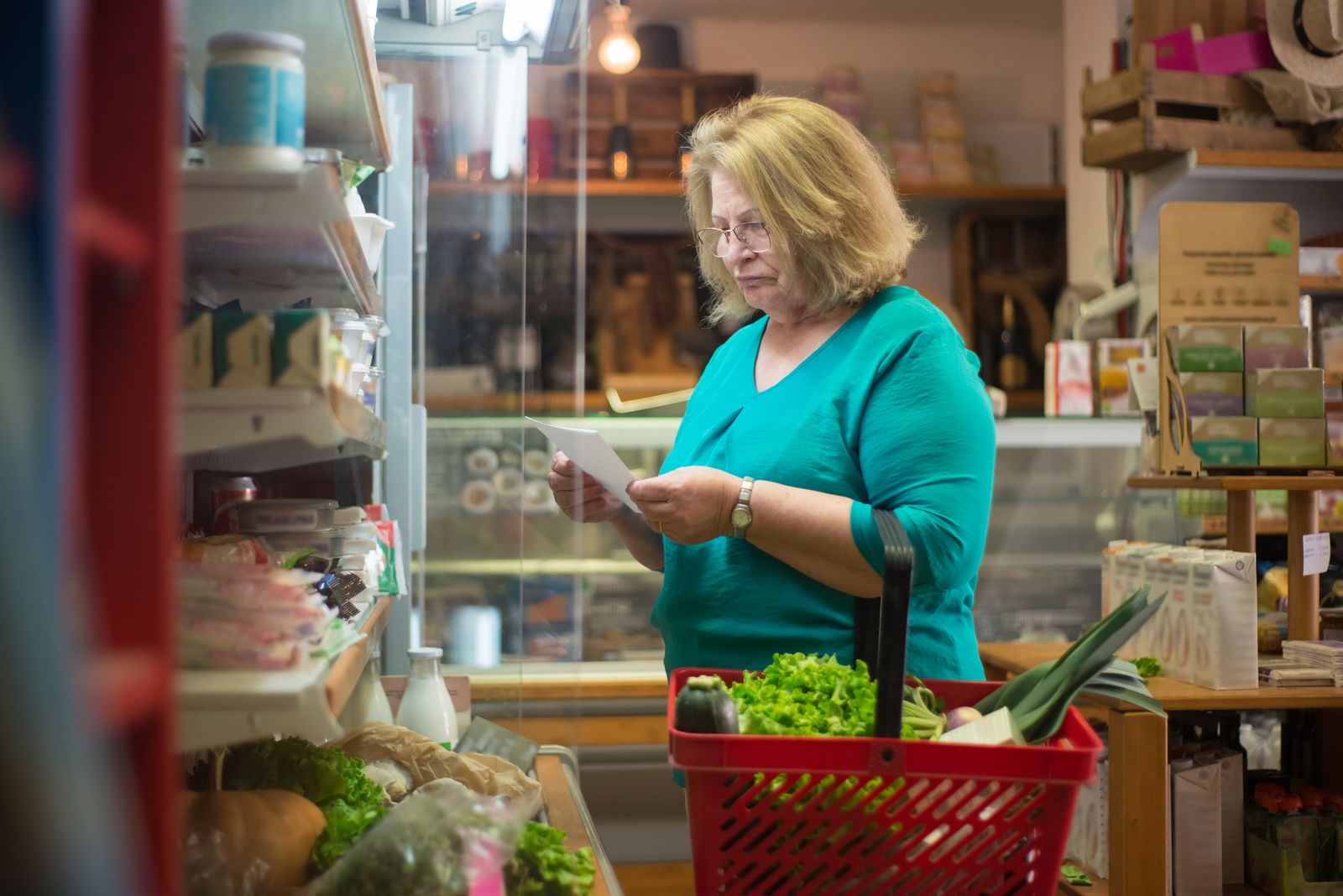
A list that says vegetables, snacks, and dinner ingredients leaves most decisions for the shop. Once you are there, a large pack on offer or a new flavor can seem like the easiest answer.
A more useful list records what you need, how much you need, and what can change if the first choice is unavailable. You can still leave room for something enjoyable while making the essential part of the trip easier to follow.
Start with the next shopping trip in mind
Decide how many days this shop needs to cover. Count the meals you expect to eat at home and note any guests, packed lunches, or evenings when cooking time will be short. This gives quantities a purpose before you start adding products.
Choose a few realistic meals rather than an ambitious menu for every possible occasion. If you usually cook three evenings and use leftovers on another, plan around that pattern. Include a simple option for the night you are most likely to arrive home tired.
For a top-up trip, write the missing essentials first and keep the scope visible at the top of the list. A note saying three days of breakfast and two dinners can help you remember why you came when you reach an appealing display.
Check what you already own
Look in the fridge, freezer, and cupboards while writing. Open the rice container and check how much remains instead of relying on memory. Check household items on the same trip if you normally buy them together with groceries.
Cross out ingredients that are already covered and identify anything that should be used soon. Half a cabbage can supply part of two planned dinners. Three opened sauces may mean you already have enough flavor options without another bottle.
Keep a short running list during the week for items that run out. Before shopping, verify those notes against the shelves. Someone may have replaced the item already, particularly when several people shop for the household.
Turn broad ideas into quantities
Replace fruit with an amount you expect to eat, such as six bananas and four oranges. Write pasta, one 500 g pack if that is what the planned meals require. A specific amount gives you something to compare with the pack on the shelf.
Record any requirement that matters, such as unsweetened yogurt or a suitable product for a household allergy. These details are particularly helpful when another person shops. For less important choices, leave the brand open so price and availability can guide the decision.
Avoid adding a second pack solely because the first looks small. Compare the total quantity with the meals you planned. If the package contains more than you need, decide how the remainder will be used before putting it in the basket.
Separate essentials from optional purchases
Mark the items that must fit into this trip’s spending amount. Add a short optional section for products you would like if the total allows. This makes trimming the basket easier than treating every line as equally urgent.
Estimate prices using a recent receipt, the store’s current listing, or amounts you remember reasonably well. Add the estimates and leave room for ordinary price differences. If the essentials already exceed what you can spend, revise meals or quantities before going.
You might decide to choose one snack from a small allowance. Write that decision down, including the quantity. A planned treat gives you a clear stopping point when several offers look attractive, and you can choose it without revisiting the whole list.
Use one worked example to check the logic
Imagine a short trip for two adults covering three breakfasts and two dinners. You already have rice, oats, oil, and seasonings. You plan eggs for one dinner and a vegetable-and-bean dish for the other, with oats and fruit at breakfast.
The missing-item list could include six eggs, six bananas, one carrot, a small cabbage, and one can of beans. Check those quantities against your usual portions. Add milk or another breakfast ingredient only if you need it for the way you actually prepare oats.
Write one optional snack beneath those essentials. Now the list gives you a reason for each purchase. A second can of beans might be useful for a later meal, but it is an additional decision with a storage and spending consequence that you can assess deliberately.
Decide on substitutions before you need them
Give flexible items one simple alternative. If the planned leafy vegetable is unavailable or unexpectedly expensive, another suitable green might work. For fruit, you could write one option or an equivalent amount of another fruit the household enjoys.
Choose substitutes by the role they play in the meal. A different vegetable may cook faster, while a replacement protein may change the preparation. Keep those practical differences in mind so the substitute does not require several unplanned ingredients.
For a product with a specific dietary requirement, check the replacement label carefully. If a suitable option is missing, change the meal rather than assuming a familiar-looking package meets the same need. Put the revised ingredients on the list before continuing.
Compare offers against the quantity you need
When a promotion catches your attention, check whether it replaces a planned purchase or adds another one. Compare the price for the same weight, volume, or number of usable portions. Pack size alone does not tell you which option costs less.
For a made-up example, a 500 g pack costing ₱80 works out at ₱16 per 100 g. An 800 g pack costing ₱136 is ₱17 per 100 g. The larger pack costs more per equal amount in this example. Use the actual shelf prices for your comparison.
Consider what you will use before the product loses quality and where you will store it. A lower unit price only helps when the quantity is useful to you. Read promotion conditions too, especially when a displayed price requires buying several packs.
Arrange the list to match the shop
Group items into produce, shelf-stable groceries, chilled foods, frozen foods, and household supplies. Follow the store’s layout where practical, picking up chilled and frozen items toward the end. Grouping reduces the need to retrace aisles for forgotten items.
Use whichever format you can update easily. A paper list can carry quantities and rough prices in two columns. A shared phone note helps several shoppers see the same version. Cross off an item when it goes into the basket so you do not buy it twice.
Keep the optional section separate from the route through the essentials. When shopping online, use the list to search for products directly and review saved baskets for old quantities. A previous order may contain things you still have.
Check the basket before checkout
Pause before joining the queue or paying online. Compare the basket with the list and identify anything added along the way. Ask which meal it belongs to, whether it duplicates something at home, and whether it fits the remaining spending amount.
Keep additions that have a clear purpose and remove those you no longer want, following the store’s process for returning products. If you forgot a necessary item while writing, add it to the list now. The list should help you make a considered choice when new information appears.
After unpacking, keep the receipt long enough to improve the next estimate. Notice repeated extras or ingredients you routinely leave unused. Adjust one habit for the next trip, such as writing snack quantities or checking condiments first, and build from there.